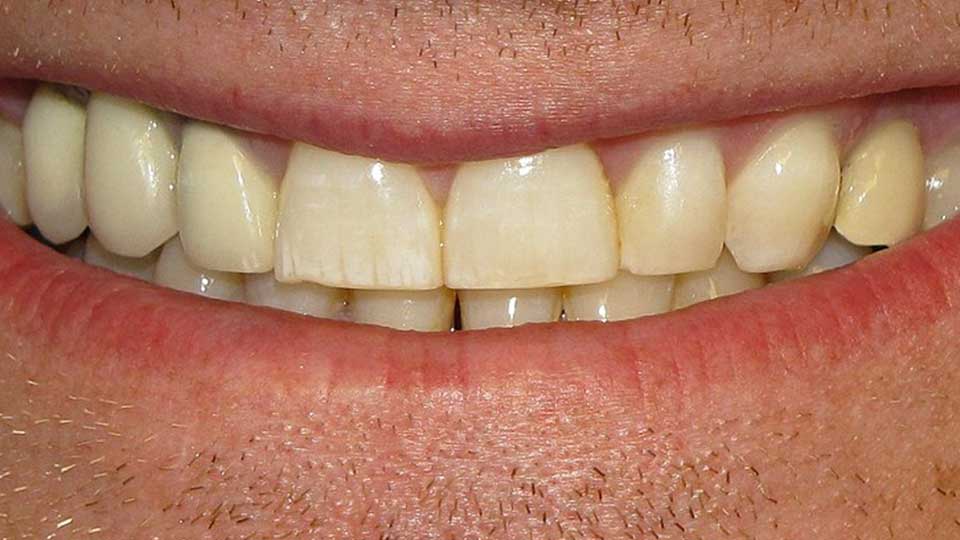
A 2016 survey shows that yellow or crooked teeth would put two in three of us off a possible second date. At some point, we’ve all noticed that our teeth aren’t as white as we’d want them to be. Despite regular flossing and brushing, we sometimes are greeted with a full set of yellow teeth, which can be quite frustrating. Thankfully, there are several lifestyle changes you could make to deal with this issue, and it usually isn’t a sign of anything serious. In this piece, we’re going to look at two of the common myths related to teeth and the leading reasons why teeth start to turn yellow too early.
Myths Surrounding the Condition of Our Teeth
Many ideas we have about white and yellow teeth are factually incorrect. If you’ve believed the following myths, think again.
Teeth are Bright White by Nature
Translucent enamel exposes yellow dentin. Only a few lucky individuals are blessed with gleaming white teeth, with most people’s teeth being naturally one or two shades darker. Natural teeth are normally tinged with grey or yellow. Basically, it’s the thickness and shade of your enamel which impact the color of your teeth. Don’t worry if you brush daily and your teeth still remain yellow. It could just be that they’re that shade naturally.
Non-White or Yellow Teeth are Unhealthy
This myth is peddled by firms which want us to spend a fortune on getting a perfect “movie star” smile. Although heavy staining and yellow plaque deposits aren’t healthy, it’s very possible for yellowish teeth to be absolutely clean and healthy. Teeth
whitening treatments usually work by stripping or entering the outer enamel layer, which makes teeth weaker if done many times. So, more often than not, yellow teeth are actually stronger than pearly white ones–so long as they’re cleaned regularly.
So Why are My Teeth So Yellow?
Now that we’ve debunked a couple of common myths on teeth, let’s dive into the reasons why your teeth may turn yellow.
Your Diet
It’s shouldn’t shock you that much that what you eat can affect your teeth’s color. If your teeth have become yellow, it could be due to foods like these:
- Coffee and tea
- Tomato sauces
- Red wine
- Curries
- Soy sauce
- Berries
- Beetroot
- Balsamic vinegar
Other foods and beverages don’t bring about stains themselves but have acids that chip away at the tooth enamel. This makes your teeth less white and also makes them more prone to staining. Look out for:
- Citrus juices and fruits
- Fizzy drinks (those with rich colors may also cause stains)
- Sugary foods
- Sports drinks
- White wine and other alcohol drinks
- Artificial sweeteners
To minimize acid damage after consuming these things, it’s best to rinse your mouth with water.
Smoking
Smokers are highly likely to have yellower teeth. Smoking makes teeth yellow due to the nicotine, tar and other chemical substances contained in the puff. These get into the pores of the tooth enamel, ruining its natural color. A 2005 study showed that
28 percent of smokers had severe to moderate tooth discoloration, compared to 15 percent of non-smokers. In addition, the study showed that smokers generally weren’t happy with the condition of their teeth.
Poor Oral Hygiene
Too little brushing, rinsing and flossing to get rid of plaque and
stain-causing substances like tobacco and coffee can result in tooth discoloration.
Regular
professional dental cleanings can remove surface stains and plaque buildup that contribute to tooth discoloration, helping maintain your teeth’s natural brightness.
Grinding Your Teeth
It’s something a lot of people do unconsciously, especially when they’re under stress and even while sleeping. Also called bruxism, grinding can make your tooth enamel weaker, often making it crack and become yellow.
Getting Older
Aging is a natural, irreversible process and it can cause your teeth to turn yellow. Enamel thins as you get older, and is worn out from exposure to acids in drink and food and chewing.
Medication or Illness
Some antibiotics like amoxicillin and tetracycline can affect tooth color, especially in younger kids. High blood pressure and allergy drugs for adults may also cause this problem. Talk to your healthcare provider if you’re worried about this. Certain illnesses, especially those of the liver can cause tooth discoloration. Patients undergoing radiation therapy or chemotherapy for cancer can also notice their teeth becoming brownish.
Genetics
If you’ve always had yellow teeth, your parents could be to blame. Variations in genetics can affect enamel porosity and tooth color–and the more porous your enamel is, the more it’s susceptible to stain.
Excessive Fluoride
While fluoride is beneficial for your teeth, excessive amounts can cause yellow spots (fluorosis) or yellow teeth. You can take in
excess fluoride from fluoride toothpaste, fluoridated water, or fluoride tablets.
Dentin
When the enamel thins and the dentin below shows through it, teeth look yellow. Dentin is a brownish or deep yellow material in the teeth under your enamel, and it’s usually behind the yellow you notice while looking in the mirror. Dentin is covered up by thick enamel, but it’s important to remember that enamel always doesn’t keep out the stains that accumulate on the surface. This causes teeth to turn yellow.
Accidents
If your teeth or mouth suffer a physical blow, this can crack the enamel and damage the inside of the tooth. This can result in discoloration. However, if your teeth are bleeding too, you need professional attention.
Professional vs. At-Home Whitening: What Works Best
When it comes to addressing yellow teeth, you have several treatment options available. Understanding the differences can help you make the best choice for your specific situation and goals.
Professional In-Office Whitening: Dental professionals use stronger whitening agents that can lighten teeth by several shades in a single appointment. This method is fastest and most effective, with results typically lasting 1-3 years with proper care.
Take-Home Professional Kits: Custom-fitted trays from your dentist with professional-grade whitening gel offer convenience while still providing superior results compared to over-the-counter options.
Over-the-Counter Products: Whitening toothpastes, strips, and gels are readily available but contain lower concentrations of active ingredients. While more affordable, they typically provide modest results and may take longer to show improvement.
Natural Remedies: Oil pulling, baking soda, and hydrogen peroxide rinses may provide mild whitening effects, but results are generally minimal compared to professional treatments.
For residents seeking
dental services in Birmingham, AL, professional consultation can help determine which whitening approach will be most effective for your specific type of discoloration and oral health needs.
Treat Your Yellow Teeth Today
While the idea that yellow teeth are unhealthy is a myth, having brighter teeth can still be a big self-esteem booster. Your dentist can provide professional
teeth whitening treatments that are safer and more effective than over-the-counter options and give you advice on how to prevent them from yellowing again. Whitening treatments are totally safe when they’re done by a reputable cosmetic dentist and most people can benefit from them. Stop covering your smile and arrange an appointment with us to correct the discoloration of your teeth.
Frequently Asked Questions About Yellow Teeth
How long do professional whitening results last?
Professional whitening results typically last 1-3 years, depending on your lifestyle habits. Avoiding staining foods and beverages, not smoking, and maintaining good oral hygiene can help extend your results. Touch-up treatments may be recommended annually.
Can whitening damage my teeth?
When performed by a dental professional, whitening is safe and effective. Over-whitening or using products incorrectly can cause tooth sensitivity or enamel damage. Professional supervision ensures proper application and minimizes risks.
What’s the difference between whitening toothpaste and professional treatments?
Whitening toothpastes remove surface stains through mild abrasives but can’t change your tooth’s natural color. Professional treatments use peroxide-based agents that penetrate enamel to remove deeper stains and lighten teeth by multiple shades.
Are there foods I should avoid after whitening?
For 24-48 hours after professional whitening, avoid dark-colored foods and beverages like coffee, tea, red wine, berries, and tomato sauce. Your teeth are more porous immediately after treatment, making them more susceptible to staining.
At what age is teeth whitening safe?
Most dentists recommend waiting until all permanent teeth have erupted, typically around age 16. The pulp chamber is larger in younger teeth, which can increase sensitivity. Professional consultation is essential for younger patients considering whitening.